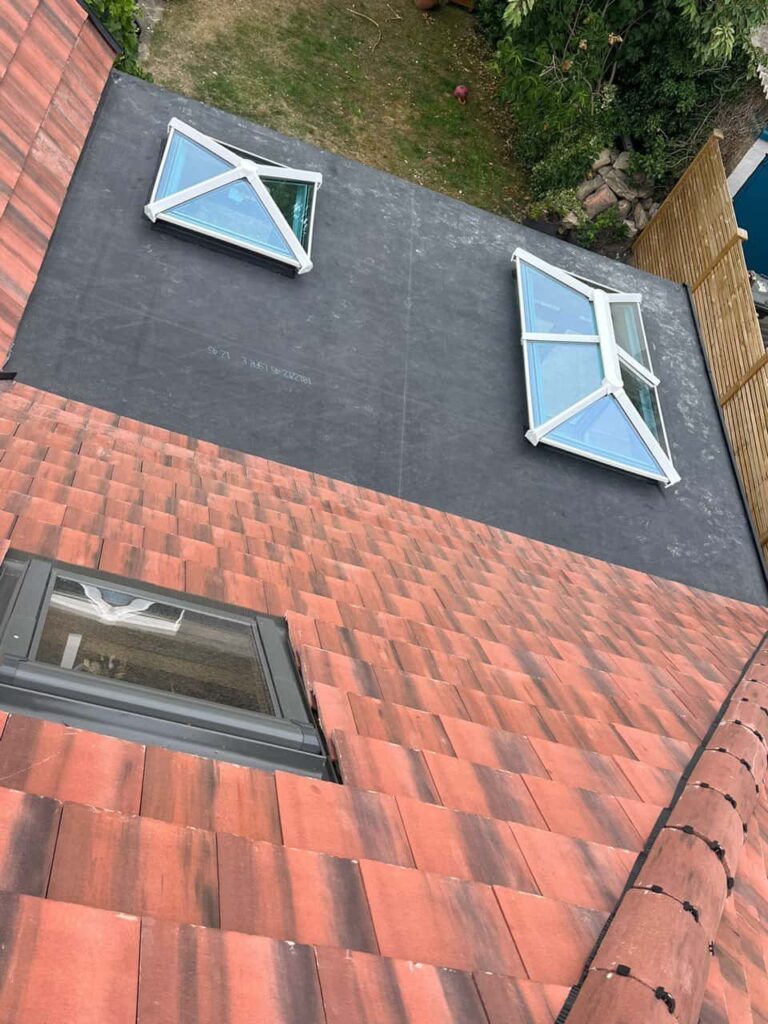
Roofing problems do not always begin with missing tiles, obvious cracks or water dripping from a ceiling. Many defects develop gradually beneath the roof covering or in areas that are difficult to inspect from ground level. By the time visible signs appear, moisture may already have affected several components.
Understanding these hidden problems can help property owners in Oxted, Surrey, recognise when a professional roof inspection may be worthwhile.
Hidden Roofing Problems That May Go Unnoticed
1. Deteriorating Roofing Underlay
The underlay beneath tiles or slates provides an additional barrier against moisture. Over time, it may become brittle, torn or uneven without altering the roof’s external appearance.
Water passing beneath the covering can then reach battens and roof timbers. Because the affected area is concealed, the first noticeable symptom may be staining inside the roof space or on an upstairs ceiling.
2. Weakened or Decaying Battens
Roofing battens support tiles and help keep them correctly positioned. Moisture entering through small defects can gradually weaken these timbers.
Tiles may continue to look properly aligned even when the battens beneath them are deteriorating. Eventually, the weakened support can allow sections of the roof covering to move, dip or become unstable.
3. Hairline Cracks in Tiles
Fine cracks are often difficult to see from below, particularly when they occur near tile overlaps. A tile may appear intact while allowing small amounts of rainwater to pass through during prolonged or wind-driven rainfall.
Seasonal temperature changes can cause these cracks to widen. What begins as a minor defect may therefore develop into a more persistent route for water ingress.
4. Loose Tile Fixings
Tiles and slates can remain in place even after their nails, clips or other fixings have loosened. This creates a hidden weakness because the covering may look normal during calm conditions.
Strong winds can lift unsecured materials, disturb their overlaps or cause them to slip. Inspecting the fixings is particularly important when tiles have moved previously or parts of the roof make unusual sounds during windy weather.
5. Defective Flashing
Flashing helps seal the junctions around chimneys, roof windows and other changes in the roof structure. Small splits, lifting edges or deterioration beneath the visible surface may be difficult to identify from ground level.
Water entering through damaged flashing can travel along timbers before appearing indoors. The resulting damp patch may therefore be some distance from the original defect.
6. Blocked or Damaged Valleys
Roof valleys carry significant amounts of rainwater towards the drainage system. Leaves, moss and other debris can restrict this flow, while small cracks or displaced materials may develop beneath the blockage.
A valley can appear serviceable from below while water is backing up beneath adjoining tiles. Prompt attention helps prevent moisture from spreading into the surrounding roof structure.
7. Early Timber Deterioration
Roof timbers can be affected by persistent moisture before any external sagging becomes visible. Dark staining, softness, musty odours or localised dampness within the roof space may indicate that ventilation or water ingress needs investigating.
Timber deterioration rarely improves without addressing its underlying cause. Identifying the source early can help preserve unaffected areas and guide an appropriate repair.
8. Poor Ventilation and Condensation
Not every roofing moisture problem is caused by rain. Warm, humid air can collect within a poorly ventilated roof space and condense on cold surfaces.
This may dampen insulation, underlay and timber without producing an obvious leak. Condensation can sometimes be mistaken for roof-covering failure, which is why the roof space, ventilation and external covering should be assessed together.
Why Professional Inspection Matters
A reliable roof assessment involves more than looking for broken tiles. It should consider the roof covering, underlay, fixings, flashings, valleys, ventilation and accessible internal areas. The aim is to identify both the defect and the reason it developed.
At Oxted Roofing Repairs, we assess the wider roofing system before recommending suitable work. This helps avoid treating only the visible symptom while a concealed source of deterioration remains unresolved.
Conclusion
Roofing defects can develop for some time without producing missing tiles, obvious leaks or visible changes to the roofline. Deteriorated underlay, weakened battens, loose fixings and poor ventilation are among the problems that may remain hidden.
If you have concerns about the condition of your roof in Oxted, Surrey, contact Oxted Roofing Repairs to arrange a professional assessment. A careful inspection can provide clear guidance and help address developing problems before they become more disruptive.
Call us on: 01883 770 791
Click here to find out more about Oxted Roofing Repairs
Click here to complete our contact form and see how we can help with your roofing needs.