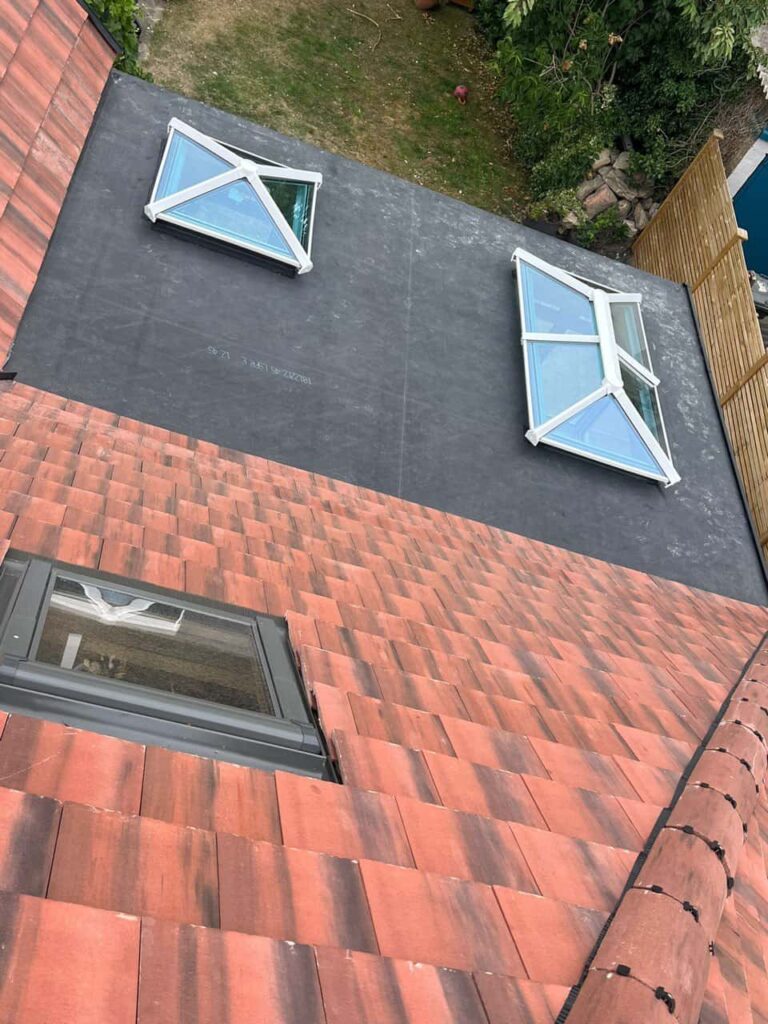
A tiled roof is one of the most reliable and long-lasting roofing systems for homes across the UK. However, even the best-built roofs can develop leaks over time due to wear, weathering, or accidental damage. When a leak appears, locating the exact cause is not always straightforward. Water has a way of travelling — entering in one place and showing up in another — which is why expert inspection and repair are so important.
At Oxted Roofing Repairs, we specialise in identifying the true source of tiled roof leaks for homeowners in Oxted and throughout Surrey. Knowing what to look for, and understanding why leaks occur, can help you act quickly to prevent further damage to your home.
The First Signs of a Leaking Tiled Roof
A tiled roof leak is often discovered only after it’s caused visible interior symptoms. Some of the most common early warning signs include:
- Damp patches on ceilings or upper walls
- Discoloured plaster or bubbling paintwork
- Dripping water during heavy rainfall
- Musty smells or signs of mould in the loft
- Warped or softened timber beams
If you notice any of these, the issue may already have developed beyond surface-level damage. Pinpointing the cause early is crucial for preventing further structural deterioration.
Why Leaks in Tiled Roofs Are Tricky to Locate
Water rarely enters directly above where you see it indoors. Instead, it often seeps in through small cracks or displaced tiles, then travels along rafters, underlay, or insulation before emerging elsewhere. That’s why a leak appearing near your ceiling light fitting might actually originate metres away on the roof surface.
Professionals like Oxted Roofing Repairs use a systematic approach to trace the source — starting from the visible signs and working outward through both interior and exterior inspections.
Common Causes of Leaks in Tiled Roofs
1. Cracked or Broken Roof Tiles
Individual roof tiles can crack or shift due to impact, frost, or simply age. Even small fractures allow rainwater to penetrate beneath the tile surface and into the roof underlay. Over time, this moisture builds up and leads to leaks inside.
2. Slipped or Missing Tiles
Strong winds or poor tile fixing can cause tiles to slip out of position. Once there’s an exposed gap, water can enter freely. This issue is particularly common after storms or high winds.
3. Damaged Flashing and Leadwork
Flashing around chimneys, roof valleys, and skylights is designed to divert water away from vulnerable joints. When flashing corrodes or cracks, leaks often occur at these connection points.
4. Worn or Torn Underlay
Beneath the tiles sits a waterproof membrane — the underlay — which provides a second layer of defence. Over time, underlay can degrade or tear, especially in older roofs. Once compromised, even minor tile damage can lead to leaks.
5. Blocked Valleys and Gutters
Leaves, moss, and debris can block water channels and gutters, causing water to pool or overflow. When this happens, it may seep under the tiles and saturate the roof structure.
6. Faulty Ridge or Hip Mortar
The mortar used to secure ridge or hip tiles can crack due to weathering. Once gaps appear, water finds its way through the openings, particularly during driving rain.
Step-by-Step: How to Find the Source of a Roof Leak
Finding the exact cause of a tiled roof leak requires patience and a methodical process. Here’s how roofing experts typically trace it:
Step 1: Interior Inspection
The first step involves checking the loft or attic space directly beneath the leak. Roofing specialists look for damp patches, water trails, or darkened timbers that indicate where moisture is entering.
Step 2: External Roof Examination
From the outside, the roof is inspected for visible signs of damage — cracked, displaced, or missing tiles; worn flashing; and debris accumulation in valleys. Binoculars or drones may be used to assess hard-to-reach areas safely.
Step 3: Checking Flashing and Roof Joints
Areas where the roof meets a wall, chimney, or skylight are key inspection points. Flashing and sealants are examined for cracks or corrosion that could allow water ingress.
Step 4: Testing Water Flow
If the source remains unclear, controlled water testing may be used to simulate rainfall and track how the roof handles it. This helps identify where water first enters the system.
At Oxted Roofing Repairs, this step-by-step approach ensures that no underlying problem is missed — preventing recurring leaks that can arise when only surface issues are repaired.
Why Professional Leak Detection Matters
While it might be tempting to climb up and replace a tile yourself, tiled roof systems are complex and delicate. Stepping on the wrong section can cause further tile breakage, and without the correct equipment, it’s difficult to detect deeper structural issues such as underlay tears or timber rot.
Professional roofers have the experience to:
- Identify subtle signs of wear or misalignment
- Repair and reseal flashing and ridge joints correctly
- Ensure full waterproofing integrity after work is completed
- Spot related problems such as condensation or ventilation issues
By using qualified professionals, you ensure that the leak is permanently fixed — not just patched temporarily.
Preventing Future Roof Leaks
Once a tiled roof has been repaired, preventive maintenance is key to extending its lifespan. Simple steps can make a significant difference:
- Regular inspections: Schedule a roof check at least once a year, especially after harsh weather.
- Clean gutters and valleys: Keep water flowing freely away from roof edges.
- Remove moss growth: Moss traps moisture and can lift tiles over time.
- Check attic ventilation: Proper airflow helps prevent condensation-related damage.
- Act quickly on small issues: Replacing one cracked tile today prevents widespread leaks tomorrow.
Routine attention keeps your roof watertight and reduces the risk of emergency repairs.
Conclusion
A leaking tiled roof is more than an inconvenience — it’s a signal that your roofing system needs professional attention. While water may appear in one spot, the source could be hidden elsewhere within the roof structure. Accurate leak detection and expert repairs are essential to prevent further damage.
Oxted Roofing Repairs provides comprehensive tiled roof inspections and leak repair services throughout Oxted and Surrey. With careful assessment and lasting repair solutions, we help homeowners restore their roof’s protection and maintain their property’s structural integrity for years to come.
Call us on: 01883 770 791
Click here to find out more about Oxted Roofing Repairs
Click here to complete our contact form and see how we can help with your roofing needs.