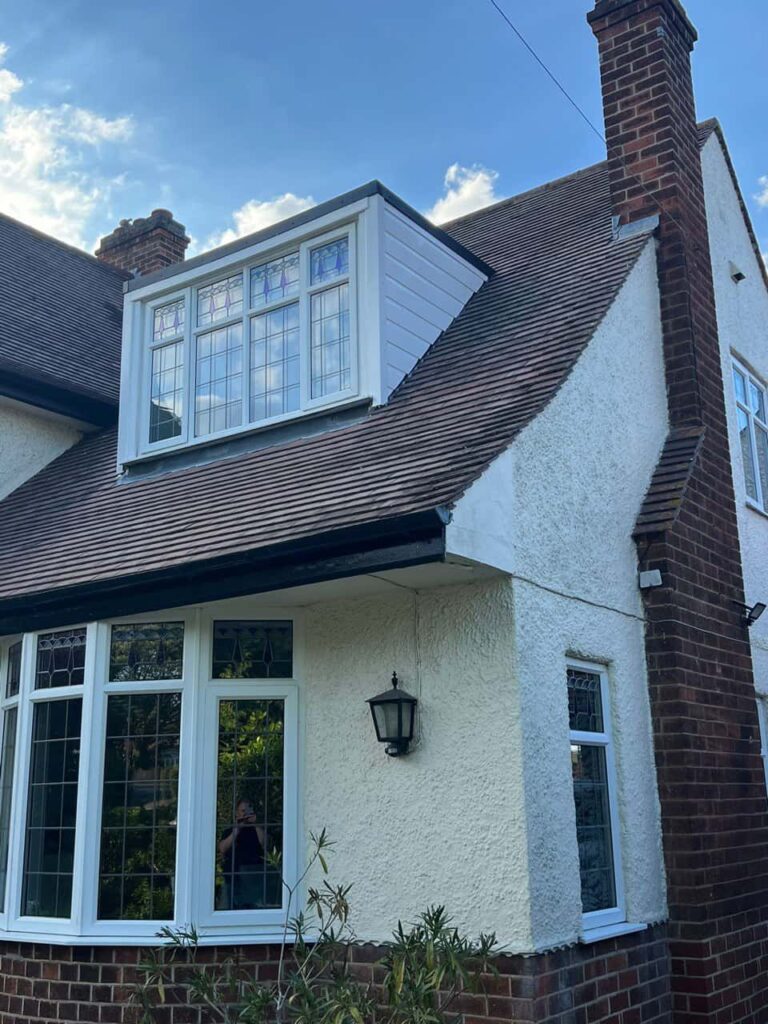
How a Single Displaced Tile Can Affect the Surrounding Roof
One displaced roof tile may appear to be a small, isolated defect. However, tiles on a pitched roof are arranged as an overlapping system, with each course helping to shelter and stabilise the one beneath it. When a tile slips or moves out of position, it can expose parts of the surrounding roof that were not designed to face direct wind and rain.
For property owners in Oxted, Surrey, arranging an early inspection can help determine whether the problem is limited to one tile or has begun affecting a wider section of the roof. A displaced tile does not always cause neighbouring tiles to lift, but it can make this more likely under certain conditions.
Why Roof Tiles Depend on One Another
Roof tiles are laid in overlapping rows to direct rainwater towards the gutters. Their position also limits the amount of wind that can reach their lower surfaces.
Depending on the roof covering and installation method, tiles may be secured by nails, clips, lugs or a combination of fixings. The overlapping arrangement provides additional protection by reducing direct exposure around these fixing points.
When one tile becomes displaced, the regular pattern is interrupted. This can leave gaps around neighbouring tiles and change how air moves across and beneath the roof covering.
How Wind Can Get Beneath Nearby Tiles
Wind passing over a roof creates changing areas of pressure. If the covering remains correctly aligned, very little air should reach beneath the tiles. A gap created by a displaced tile can provide an entry point.
Once wind reaches underneath an adjoining tile, upward pressure may act against its fixing. Whether the tile moves will depend on:
- The strength and direction of the wind
- The size and position of the opening
- The condition of surrounding fixings
- The type, weight and profile of the tiles
- The roof pitch
- The location of the defect
- Whether nearby tiles are already loose or damaged
Tiles near ridges, verges, hips and exposed roof edges can be particularly vulnerable because wind pressures may be greater in these areas.
One Displaced Tile May Reveal a Wider Fixing Problem
A tile does not always move because of an isolated event. Its displacement may indicate that nails have corroded, clips have failed or timber battens have deteriorated.
If neighbouring tiles rely on fixings of the same age and condition, they may also be less secure than they appear. The first displaced tile may therefore be an early sign of a broader weakness rather than the direct cause of every subsequent movement.
A professional inspection should assess the surrounding courses rather than simply putting the visible tile back into position.
The Tile May Place Pressure on Adjacent Materials
A slipped tile can move down the roof slope and rest on the tiles below. Its weight and movement may damage edges, disturb overlaps or place additional strain on nearby materials.
During strong winds, a loose tile can also rattle or shift repeatedly. This movement may:
- Chip adjoining tiles
- Damage fixing points
- Disturb the tile below
- Enlarge an existing opening
- Affect the alignment of a wider section
- Allow more wind-driven rain beneath the covering
The original tile may remain visibly present, but the roof’s weatherproof arrangement can already have been compromised.
Wind-Driven Rain Can Reach the Underlay
Even if neighbouring tiles remain in place, a gap can allow rain to pass beneath the external covering. The underlay provides secondary protection, but it should not be relied upon as the roof’s main defence.
Older underlay may be brittle, torn or unsupported around the opening. Water can then reach battens, insulation or roof timbers. It may also travel beneath the covering before appearing inside the property, so the visible damp patch may not sit directly below the displaced tile.
Why the Roof May Not Leak Immediately
A displaced tile does not always produce an immediate internal leak. The overlap of adjacent tiles and the condition of the underlay may temporarily limit water entry.
This can create the impression that the defect is harmless. However, the absence of visible moisture indoors does not confirm that the surrounding roof remains secure. Rain direction, wind strength and the position of the opening all influence whether water penetrates.
A later period of severe weather may expose a weakness that was not apparent during lighter rain.
Warning Signs Around a Displaced Tile
From ground level, signs of a developing problem may include:
- A visible gap in the roof covering
- Several tiles sitting at different angles
- A tile lower than the surrounding course
- Chipped or broken edges beneath the defect
- Pieces of tile or fixing material in the gutter
- Rattling sounds during windy conditions
- Light visible through the roof from the loft
- Damp marks on underlay or roof timbers
- New moisture staining indoors
The roof should not be accessed without suitable training and equipment. Tiles that look stable from a distance may already be loose.
What a Professional Inspection Should Check
A proper assessment should establish why the tile moved and whether the defect extends beyond the visible opening. This may involve checking:
- The displaced tile and its original fixing
- Adjacent tiles in the same course
- Tiles immediately above and below
- Battens supporting the affected area
- The condition of accessible underlay
- Evidence of water penetration
- Nearby ridges, hips, valleys or verges
- Other areas showing movement
- Previous repairs around the defect
If the surrounding roof remains sound, a localised repair may be sufficient. Where several fixings or materials have deteriorated, the affected section may need broader attention.
Why Prompt Repair Is Sensible
Repairing a displaced tile early can restore the correct overlap and reduce the opportunity for wind and rain to enter beneath the covering. It also allows weakened neighbouring materials to be identified before more tiles move.
The repair should address the reason for displacement. Simply repositioning the tile without correcting a failed fixing, damaged batten or poor alignment may allow the problem to return.
Conclusion
One displaced tile can allow wind to reach beneath neighbouring tiles, particularly if it creates a clear opening or the surrounding fixings are already weakened. It can also disturb overlaps, damage adjacent materials and permit wind-driven rain to reach the underlay.
This does not mean that a single displaced tile will always lead to widespread roof damage. Its effect depends on its position and the condition of the surrounding roof. If you notice a slipped or raised tile on your property in Oxted, Oxted Roofing Repairs can inspect the area, identify the cause and carry out an appropriate repair without recommending unnecessary work.
Call us on: 01883 770 791
Click here to find out more about Oxted Roofing Repairs
Click here to complete our contact form and see how we can help with your roofing needs.