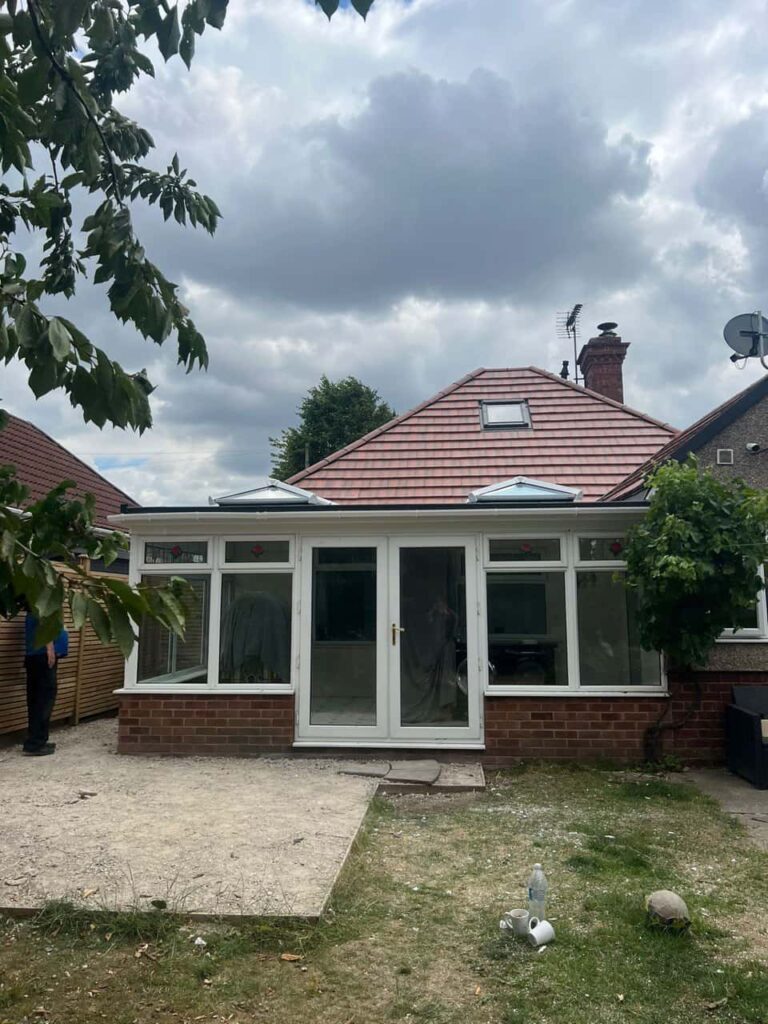
Stormy weather can expose weaknesses in even well-established roofs. Homeowners are often surprised to find slipped or displaced tiles after periods of strong wind or heavy rain, sometimes without any obvious prior warning. Understanding why roof tiles slip after storms helps property owners recognise early signs of trouble and take timely action to protect their roof.
At Oxted Roofing Repairs, we regularly assess storm-related roof issues and help homeowners restore stability before further damage develops.
Wind Uplift and Pressure Changes
One of the most common causes of slipped roof tiles is wind uplift. During storms, strong gusts create changes in air pressure around the roof. As wind passes over the surface, it can lift tiles slightly, particularly along ridges, edges, and exposed slopes.
Once a tile has been lifted, it may not settle back into its original position, leaving it vulnerable to further movement or complete displacement.
Ageing or Weakened Fixings
Roof tiles rely on fixings to remain secure. Over time, these fixings can weaken due to age, repeated weather exposure, or gradual material fatigue. Storm conditions place additional stress on these already weakened points.
When fixings can no longer hold tiles firmly in place, strong winds can cause them to slip, even if the tiles themselves appear intact.
Movement in the Roof Structure
Roofs naturally experience minor movement as temperatures change. During storms, rapid shifts in temperature combined with wind and rain can amplify this movement. If a roof structure has settled unevenly over time, tiles may become less securely seated.
This structural movement can allow tiles to slide out of alignment when subjected to storm forces.
Previous Repairs or Inconsistent Tile Placement
Tiles that have been replaced or adjusted in the past may not always be seated as securely as the original installation. Even small inconsistencies in placement can become weak points during severe weather.
Storms often highlight these vulnerable areas, leading to localised tile slippage rather than widespread damage.
Water Ingress and Undermining
Heavy rain can penetrate beneath tiles through small gaps or worn underlayers. Once moisture reaches supporting components, it can reduce friction and stability beneath the tiles.
This loss of support makes it easier for wind to dislodge tiles during or after a storm.
Exposure and Roof Design
Certain roof areas are more exposed than others. Slopes facing prevailing winds, higher roof sections, and properties without surrounding shelter are more likely to experience storm-related tile movement.
Understanding how exposure affects your roof helps explain why tile slippage often occurs in the same areas repeatedly.
Why Prompt Professional Inspection Matters
A slipped tile is rarely an isolated issue. Once one tile moves, surrounding tiles may also become vulnerable. Left unaddressed, this can lead to water ingress, further displacement, and damage beneath the surface.
Oxted Roofing Repairs provide professional inspections after storm events, identifying both visible damage and underlying causes to ensure repairs are effective and long-lasting.
Conclusion
Roof tiles slip after storms due to a combination of wind uplift, weakened fixings, structural movement, moisture effects, and exposure. Storms rarely create new problems on their own; they tend to reveal existing vulnerabilities that have developed over time.
If you have noticed slipped or displaced tiles following bad weather in Oxted, Surrey, Oxted Roofing Repairs are available to provide expert assessment and professional repair services. Addressing storm-related damage promptly helps maintain roof performance and prevents minor issues from becoming long-term concerns.
Call us on: 01883 770 791
Click here to find out more about Oxted Roofing Repairs
Click here to complete our contact form and see how we can help with your roofing needs.