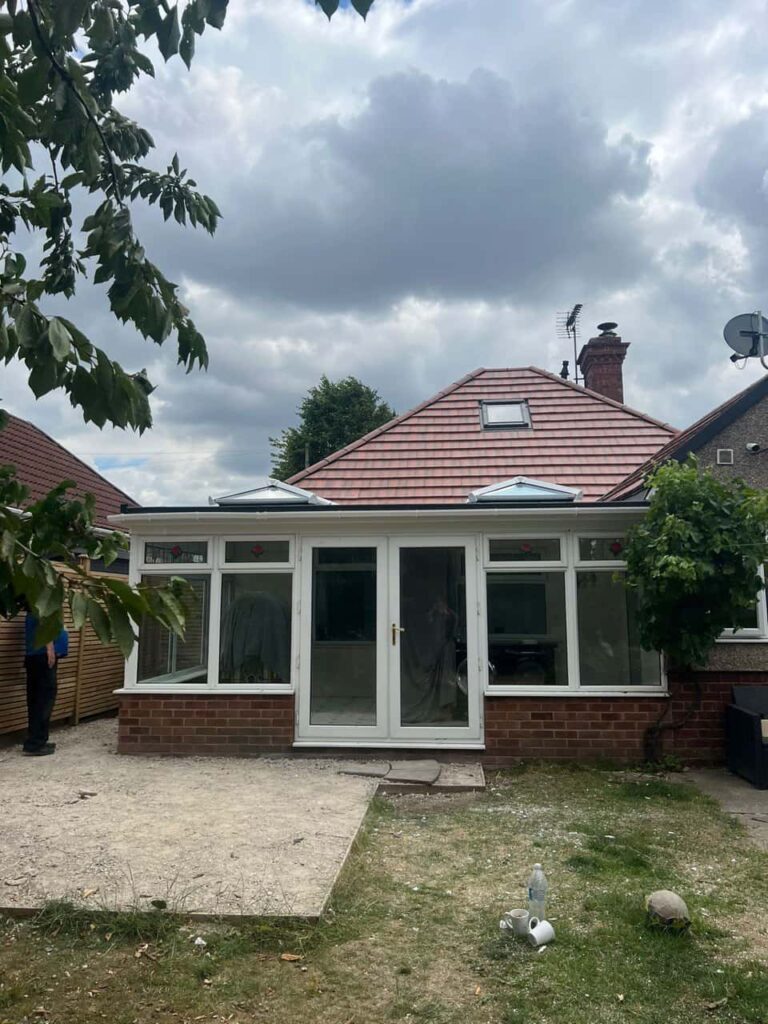
Lead flashing protects some of the most vulnerable junctions on a roof. It is commonly installed around chimneys, abutments, roof valleys and other areas where the roof covering meets a different surface. When correctly fitted and maintained, it directs rainwater away from these joints and helps keep the property weather-resistant.
Problems with leadwork are not always obvious from ground level. A small split, loose edge or poorly formed detail can allow water beneath the surrounding materials, where it may travel before becoming visible inside the property. A professional inspection can identify the true condition of the flashing and determine whether a focused repair is appropriate.
Common Lead Flashing Defects Found During Roof Inspections
A roofer should assess the lead itself as well as its fixings, joints, laps and connection with the surrounding tiles, brickwork or roof covering. The following six problems are among those that may be identified.
1. Splits and Cracks in the Lead
Lead expands and contracts as temperatures change. Properly installed sections are designed to accommodate this movement, but leadwork that is incorrectly sized, poorly fixed or already weakened may eventually split.
Even a narrow crack can admit rainwater, particularly during prolonged or wind-driven rain. Because splits can occur within folds or close to junctions, they are sometimes difficult to see without inspecting the area closely.
2. Lead Flashing That Has Lifted or Moved
Flashing can lift away from a wall, chimney or roof surface when its fixings become loose or when the material has not been secured correctly. Sections may also shift following repeated weather exposure.
Once an edge has lifted, water can be driven beneath the lead instead of flowing safely over it. A roofer can check whether the flashing remains correctly positioned and whether the surrounding fixings and chase are still secure.
3. Inadequate Laps Between Sections
Where separate pieces of lead flashing meet, they need sufficient overlap to prevent water from reaching the joint beneath. Laps that are too short, poorly aligned or incorrectly formed may allow moisture to pass between the sections.
This problem can be especially difficult for a property owner to recognise because the lead may appear intact from a distance. A professional roofer can inspect how the sections interact and whether the installation provides a continuous route for water to drain away.
4. Failed Mortar or Fixings
Lead flashing is often secured into a joint or chase in masonry. If the surrounding mortar deteriorates or the fixings fail, the lead can become loose and separate from the surface.
Cracked or missing mortar may also allow water to penetrate behind otherwise sound leadwork. Reapplying surface sealant alone may not provide a dependable solution if the flashing itself is insecure or the joint requires proper reinstatement.
5. Poorly Formed Corners and Junctions
Roof details rarely consist of simple straight lines. Corners, steps, changes in pitch and chimney junctions require the lead to be carefully shaped so that rainwater cannot collect or find a route beneath the covering.
Problems can develop where lead has been folded incorrectly, stretched too tightly or left with gaps around complex details. A professional assessment can establish whether the flashing follows the roof shape correctly and directs water away from vulnerable points.
6. Punctures and Damage from Earlier Work
Lead can be punctured by misplaced nails, screws or tools. Damage may also occur when nearby tiles, aerials, roof coverings or other components have previously been repaired or installed.
Small holes may be hidden beneath overlaps or temporary surface treatments. A roofer can check for physical damage and determine whether an earlier repair has addressed the underlying defect or merely concealed it.
Why Internal Damp Does Not Always Reveal the Exact Defect
Water entering through faulty lead flashing may travel along rafters, underlay, battens or masonry before reaching the interior. The resulting damp patch can therefore appear some distance from the actual entry point.
This is why inspecting only the area directly above an internal stain may lead to the wrong conclusion. A roof assessment should consider the complete junction, including higher sections from which water could be tracking.
Warning Signs That Leadwork Needs Attention
Visible or internal signs that may justify a professional inspection include:
- Damp patches near a chimney breast or roof junction
- Water marks that worsen following heavy rain
- Sections of lead visibly lifting or curling
- Cracked or missing mortar around the flashing
- Loose or displaced roofing materials beside the leadwork
- Repeated dampness after previous surface repairs
These signs do not always confirm that the lead is responsible, but they indicate that the surrounding roof detail should be checked carefully.
Why Accurate Diagnosis Matters
A reliable lead flashing repair must address the route through which water is entering. Applying a surface coating without checking the condition, positioning and movement of the lead may only hide the problem temporarily.
A professional roofer can establish whether the defect is localised, whether adjacent materials have been affected and which repair method is suitable. This measured approach helps avoid unnecessary work while ensuring that vulnerable roof junctions receive proper attention.
Conclusion
Lead flashing can develop splits, movement, inadequate overlaps, failed fixings, poorly formed junctions and accidental punctures. Although some defects appear minor, they can compromise the roof’s weather resistance and cause persistent moisture ingress.
If you have noticed dampness or suspect a problem with the leadwork on your property in Oxted, Surrey, contact Oxted Roofing Repairs to arrange a professional inspection. The team can identify the source of the issue and recommend an appropriate repair without overselling unnecessary work.
Call us on: 01883 770 791
Click here to find out more about Oxted Roofing Repairs
Click here to complete our contact form and see how we can help with your roofing needs.